

Make it
work.
Make it
matter.
We design and build mobile apps, web platforms and digital products that work beautifully and solve real business problems. From a new idea to your next release, our team brings product thinking and engineering together.
Great software
doesn't make
you work harder.
It takes complexity seriously, then makes the experience feel effortless. The research, the architecture, the smallest interaction: everything should help someone do the thing they came to do.
That is why we connect product decisions, interface design and engineering early. Not to add process for its own sake—but to find the version of your idea that actually works.
Proof is in
the product.
Real products, complex challenges and practical engineering across iOS, Android and the web.
Dental
Coach.
Making daily routines visible through progress, timers and a playful sense of achievement.
Explore the project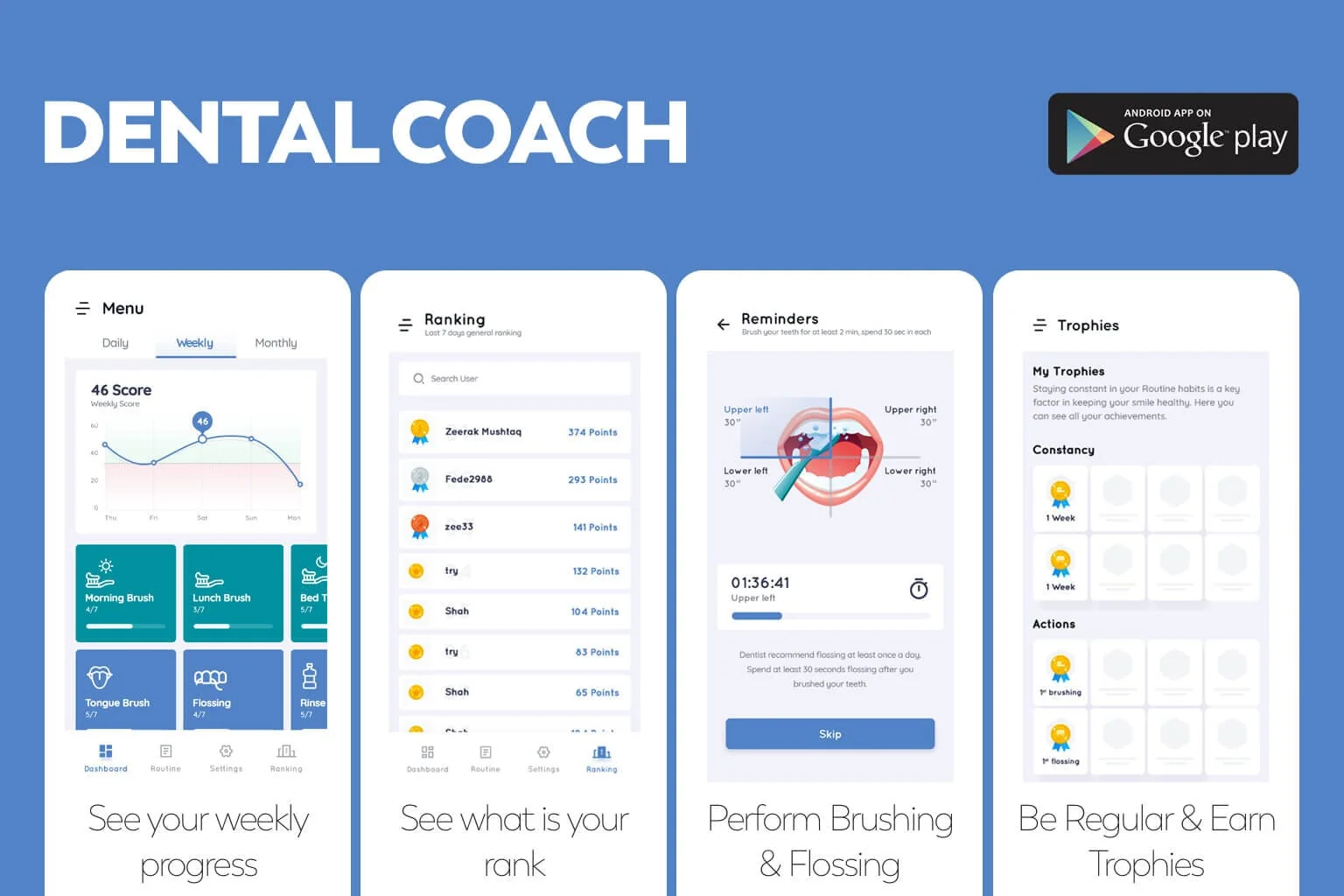
Actice.
A clear, focused interface for seeing transactions, recording activity and understanding budgets.
Explore the project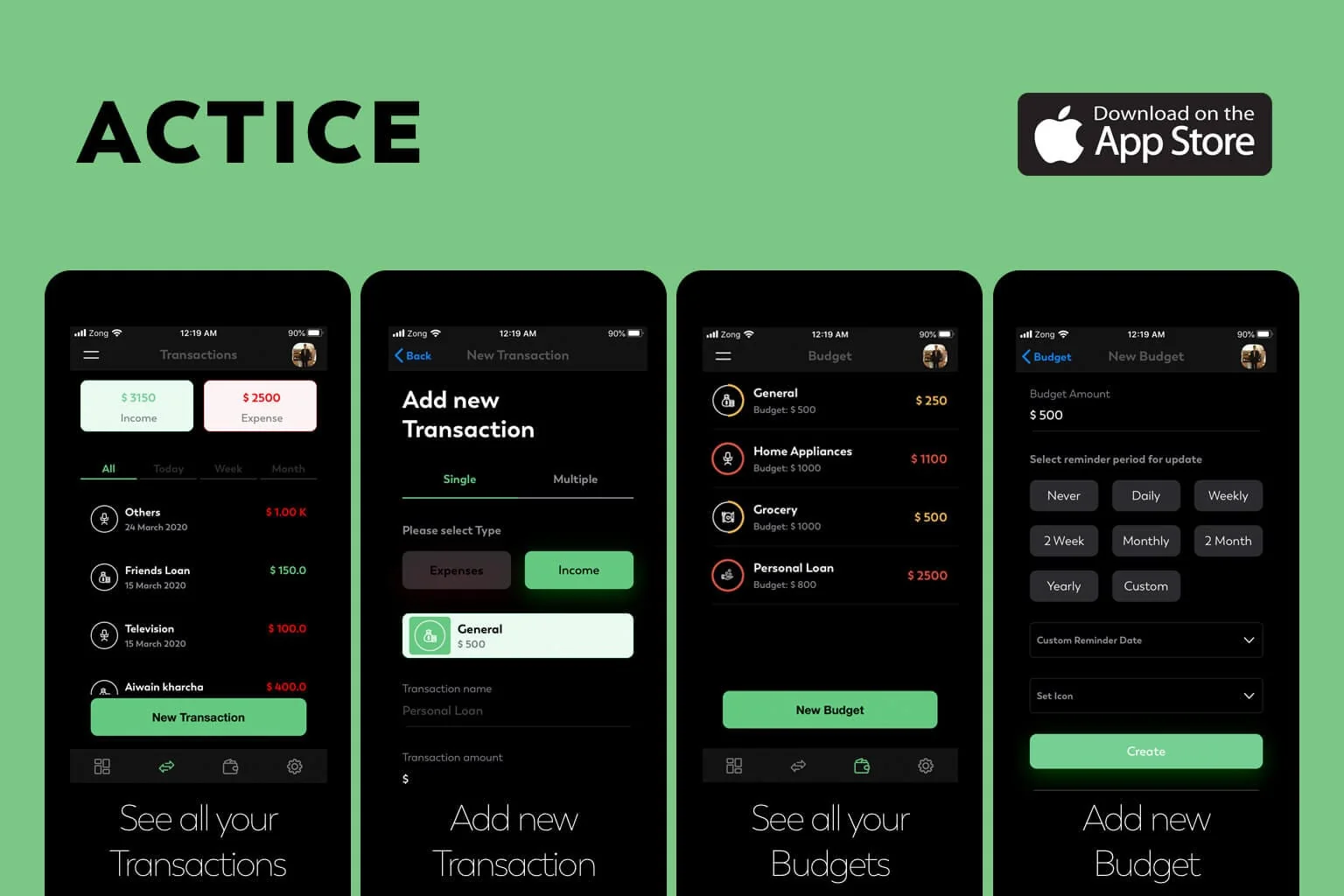
Backwards
Voice.
A simple creative loop: record your voice, play it backwards, and hear something unexpected.
Explore the project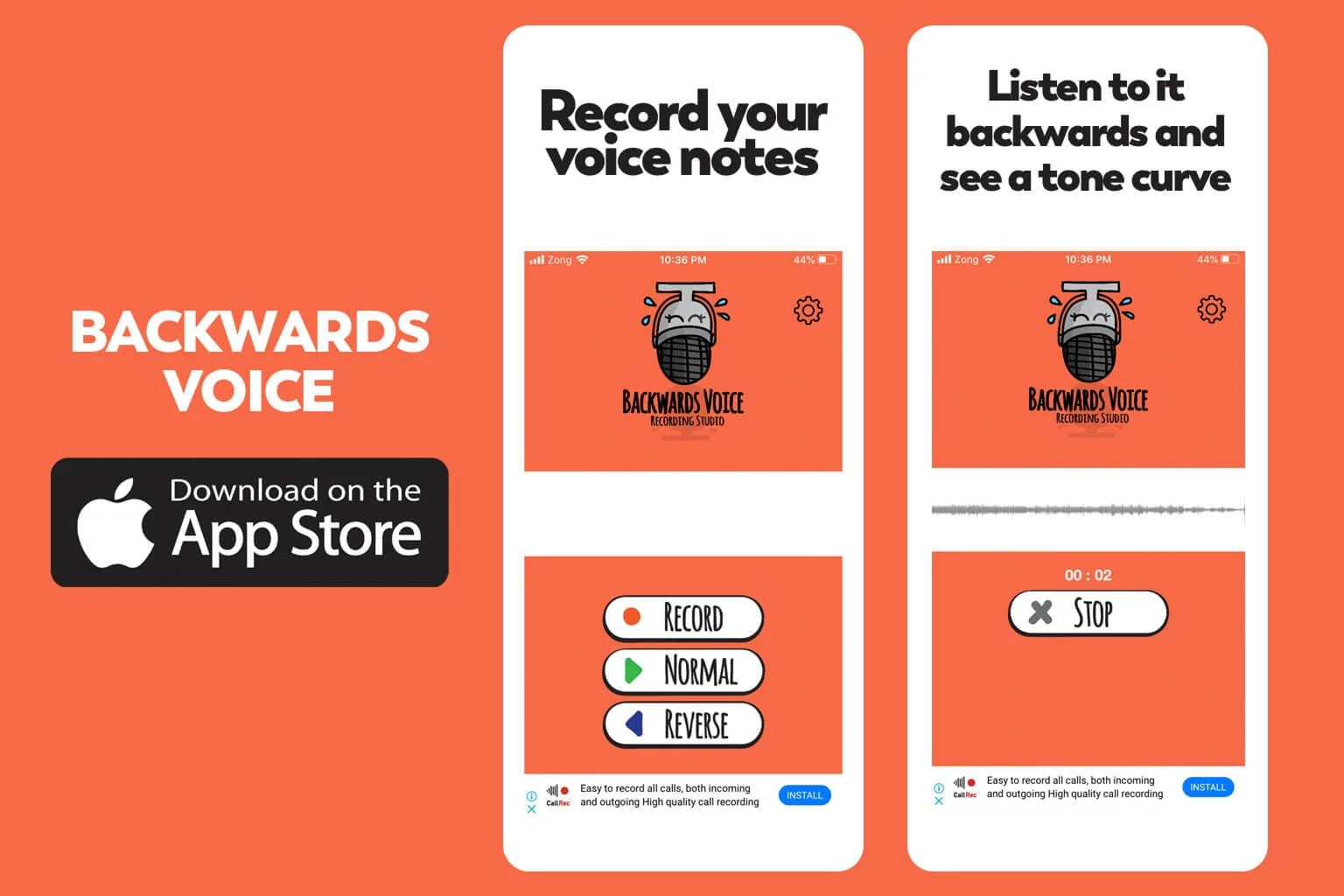
Beyond the
usual brief.
From NFC-enabled manufacturing measurements to live stadium sound and construction tools. Our portfolio spans different kinds of real-world challenges.
VacPuc
Batteryless NFC sensing for composite manufacturing.
↗02 / REAL-TIME MEDIARIOT
In-stadium broadcast and listener experiences.
↗03 / CONSTRUCTION TOOLSTile
Material calculators and construction connections.
↗Good work.
Good relationships.
Software is a collaboration. Here’s what clients have said about working with our team.
“Awesome job, really appreciate the hard work by Rameez and his team, well done.”
“Response time was quick. Always professional. This team created an original app for us that met and exceeded our expectations, and then they have been fast and affordable to make updates. Highly recommend”
One joined-up
way of building.
Every platform brings its own trade-offs. Our role is to turn those into good decisions, not force your problem into a fashionable stack.
Native mobile experiences
iOS and Android apps designed around real device behavior, integrations and everyday use.
Cross-platform applications
Shared product foundations with a practical plan for platform differences and maintenance.
Web apps & complex workflows
Portals, product dashboards and systems that turn operational complexity into clear flows.
Commerce & content systems
Stores and editable websites that connect brand, performance and the work behind the scenes.
AI features & workflow assistants
Focused model integrations that help people handle information and routine work, with quality checks and human review where it matters.
Less guesswork.
Better decisions.
Good partnerships make complexity discussable. Here is the work we do before, during and after a feature gets built.
Understand the real problem.
Who needs the product? What is difficult today? Which constraints could change the answer? We start with the job, not the feature list.
Shape the smallest useful release.
Map the important flows, resolve technical unknowns and agree what belongs in the first version—and what can wait.
Make the progress tangible.
Develop in reviewable increments so the people closest to the problem can guide the details before they become expensive.
Leave the product understandable.
Document integrations, release responsibilities and the next decisions. Delivery should make future work easier, not more mysterious.
Where are
you starting?
Choose the conversation that fits. You don't need a finished requirements document to get in touch.
Build something new.
Explore the right product scope, platform and first release.
Discuss a new product ↗02 / FROM PRODUCTMake it better.
Improve UX, modernize an app, connect systems or plan the next release.
Improve an existing product ↗03 / FROM COMPLEXITYSolve a hard problem.
Get engineering perspective on integrations, architecture and delivery.
Talk through the challenge ↗More than
a technology choice.
The best question is rarely “Which framework is fastest?” It is “Which approach gives this product the best chance to remain useful?”
Protect the user’s attention.
Clear hierarchy, useful feedback and accessible interaction make a complicated feature feel natural.
Design for the edge cases.
Slow networks, partial information and interrupted sessions are part of real usage—not exceptions to ignore.
Keep the system understandable.
Maintainable code, documentation and deliberate handover are part of the user experience too.
Tell us what
you're making.
No lengthy questionnaire. Just two choices to get the conversation started with a little more context.
What best describes the project?
What stage are you at?
Choose the options that fit, or go straight to the contact form.
A few things
worth asking.
Good answers start with the right questions, especially before you commit time and budget.
Can you help decide what to build first? +
We can begin by defining the core user journey and identifying dependencies or high-risk assumptions. A useful first release should deliver one complete job and create a foundation for learning.
What if we already have an application? +
An existing product deserves a technical and UX assessment before major changes. That can reveal whether a targeted improvement, phased modernization or rebuild makes the most sense.
Do we need native iOS and Android apps? +
Not necessarily. We compare native and shared-code approaches against device features, the user experience, team capabilities and long-term support expectations.
What is the best way to estimate a project? +
Define a first-release scope, integrations, acceptance criteria and known uncertainties. Where risk is high, a short discovery exercise can be more valuable than a premature fixed quote.
What will we need to manage after launch? +
That depends on the platform, but accounts, releases, backups, monitoring, documentation and dependency updates should all have clear owners. We discuss a realistic handover during scoping.